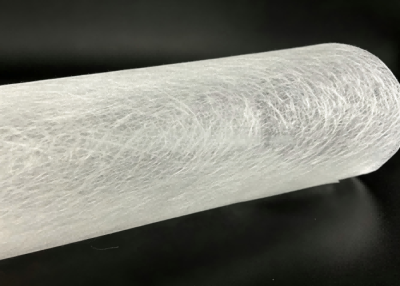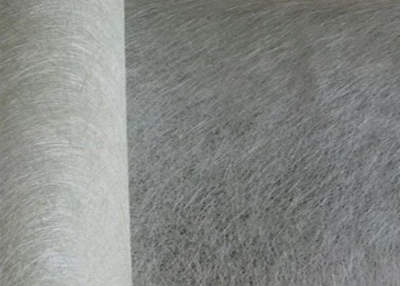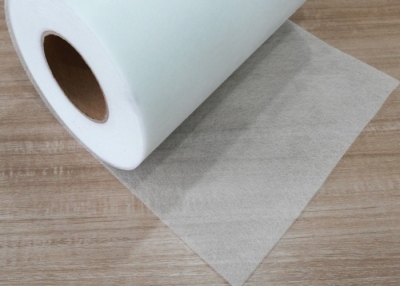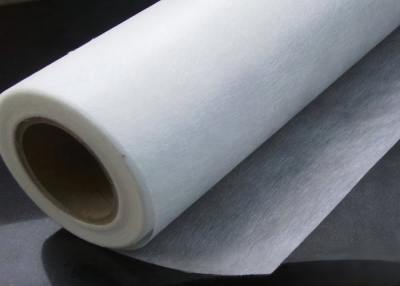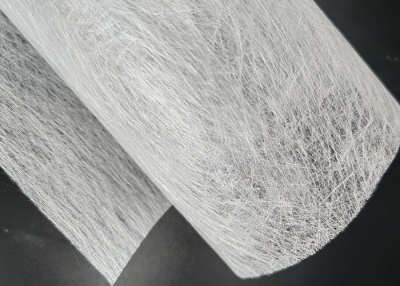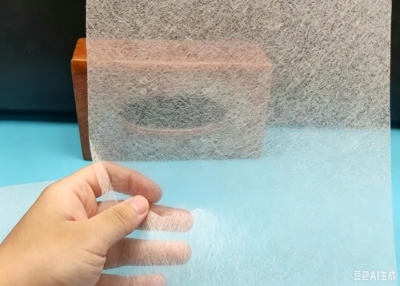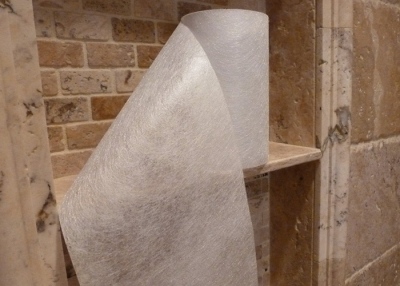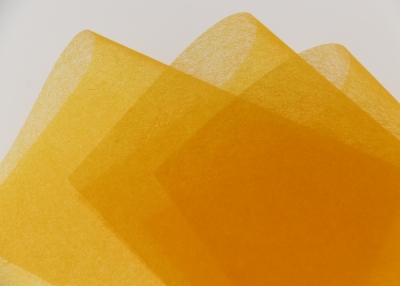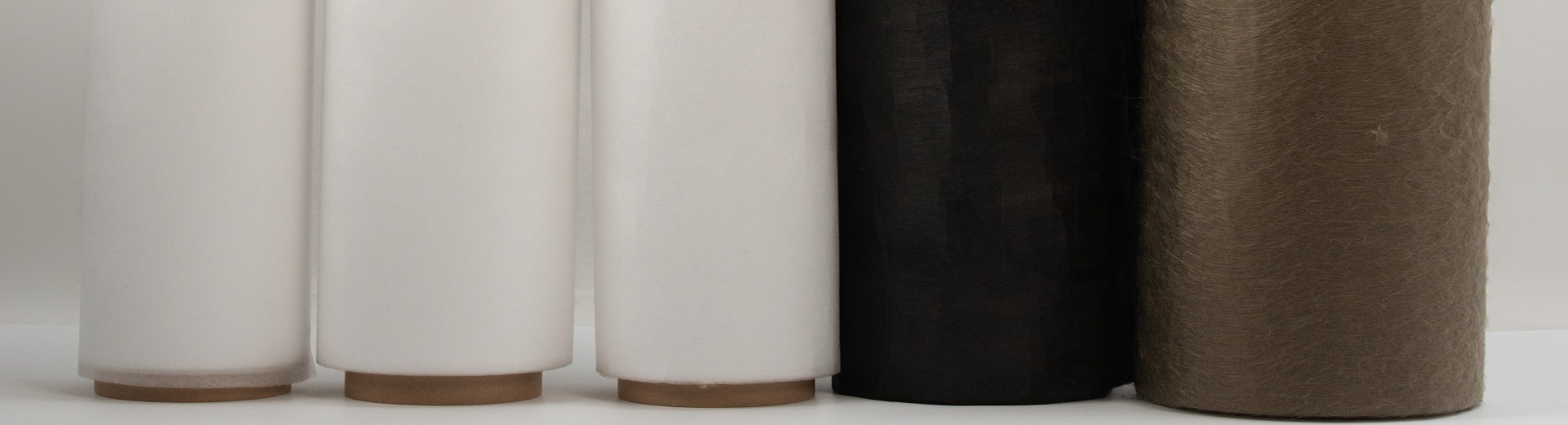
Tecido não tecido de aramida produzido por via úmida
2026-03-12 11:34
O tecido não tecido de aramida produzido por processo úmido é um material não tecido de alto desempenho, fabricado a partir de fibras de aramida utilizando a tecnologia de formação de manta úmida utilizada na fabricação de papel. Possui as vantagens de alta resistência à temperatura, alta resistência mecânica e uniformidade inerentes ao processo úmido.
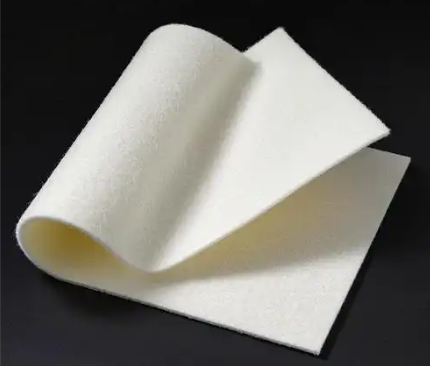
Este material utiliza um processo especial para dispersar fibras de aramida em água, formando uma suspensão que é posteriormente desidratada e reforçada. Esse processo supera as limitações dos tecidos tradicionais produzidos por via seca no manuseio de fibras curtas e mistas, conferindo-lhe uma posição insubstituível em aplicações industriais de alta tecnologia.
Processos principais e características técnicas
A produção de tecido não tecido de aramida por via úmida inspira-se nos processos de fabricação de papel, mas com melhorias significativas adaptadas às características das fibras de aramida:
Princípio de formação de redes web:As fibras de aramida (geralmente fibras picadas) são abertas em fibras individuais em meio aquoso, formando uma suspensão que é então transportada para um mecanismo de formação de teia. Em estado úmido, forma-se uma teia de fibras, que é finalmente reforçada por métodos físicos ou químicos.
Isotropia:Ao contrário da disposição direcional das fibras em tecidos não tecidos produzidos a seco, o processo úmido resulta em uma disposição aleatória das fibras dentro da manta, conferindo ao material uma excelente estrutura isotrópica e uma distribuição de tensão mais uniforme.
Vantagens no processamento de fibras curtas:É particularmente adequado para o processamento de fibras curtas com menos de 20 mm e permite a mistura uniforme de fibras de diferentes qualidades e tipos (como aramida com fibra de vidro e fibra cerâmica), algo difícil de alcançar com processos de deposição a seco. Alta eficiência de produção: Velocidade de produção extremamente rápida, atingindo 400 m/min, com alta uniformidade das fibras, adequado para produção industrial em larga escala.
Principais áreas de aplicação:
Combinando sua experiência profissional em tecnologia de engenharia, os tecidos não tecidos de aramida produzidos por via úmida são particularmente cruciais nas seguintes aplicações de alta precisão:
1. Separadores e suportes para baterias de nova energia
Esta é atualmente a área de aplicação de crescimento mais rápido. Separadores revestidos com aramida podem melhorar significativamente a estabilidade térmica e a segurança das baterias de lítio, prevenindo a fuga térmica. Tecidos não tecidos de aramida, preparados por processos de deposição úmida, são frequentemente usados como suportes ou substratos de revestimento para separadores de baterias de íon-lítio; sua estrutura de poros uniforme facilita a molhagem do eletrólito e o transporte rápido de íons.
2. Filtração em Altas Temperaturas e Materiais de Proteção Ambiental
Aproveitando a excelente resistência térmica da aramida (a meta-aramida pode ser usada continuamente a 205 °C),℃, para-aramida até 260℃Devido à sua alta resistência e estabilidade química, os tecidos não tecidos de aramida produzidos por via úmida são amplamente utilizados na fabricação de materiais para filtração de gases de combustão em altas temperaturas. Sua estrutura microporosa uniforme intercepta eficazmente partículas finas de poeira e é resistente à corrosão por ácidos e álcalis, tornando-se um substrato filtrante ideal para condições de trabalho severas, como incineração de resíduos e fornos de cimento.
3. Materiais Especiais de Proteção e Isolamento
Isolamento elétrico: O papel aramida (um típico tecido não tecido de aramida produzido por via úmida) é um material isolante fundamental para equipamentos elétricos, como motores e transformadores, possuindo baixa constante dielétrica e alta rigidez dielétrica.
Vestuário de proteção: Embora o vestuário de proteção utilize principalmente processos de agulhamento ou hidroentrelaçamento, os processos de deposição úmida podem ser usados para produzir camadas isolantes térmicas ou substratos retardantes de chamas com funções específicas, especialmente em cenários que exigem extrema uniformidade e espessura reduzida.
4. Transporte Aeroespacial e Ferroviário
O núcleo em favo de mel de papel aramida, feito de tecido não tecido de aramida por prensagem a quente, é amplamente utilizado em componentes como radomes de aeronaves e painéis internos de vagões ferroviários de alta velocidade devido à sua leveza, alta resistência e boa transmissão de ondas, tornando-se um material essencial para a obtenção de veículos de transporte leves.
Notícias relacionadas
Leia mais >-
![Manta de fibra de vidro não tecida de alta resistência (70 g/m²) para painéis acústicos arquitetônicos, placas de lã mineral e tetos perfurados.]()
Manta de fibra de vidro não tecida de alta resistência (70 g/m²) para painéis acústicos arquitetônicos, placas de lã mineral e tetos perfurados.
O SAAT70 é um tecido acústico de fibra de vidro não tecido, produzido por via úmida, projetado para painéis de absorção sonora de alto desempenho e forros acústicos arquitetônicos. Fabricamos este tecido denso de fibra de vidro como um véu acústico primário que controla a resistência ao fluxo de ar (RFA), ao mesmo tempo que mascara fibras escuras de lã mineral e lã de vidro.
-
![Manta de fibra de vidro não tecida ultrafina de 25 g/m² para reforço de substrato em pisos de PVC e papéis de parede decorativos.]()
Manta de fibra de vidro não tecida ultrafina de 25 g/m² para reforço de substrato em pisos de PVC e papéis de parede decorativos.
A matriz leve de 25 g/m² mantém a tensão exata da máquina sob altas temperaturas em fornos de gelificação de PVC, até 200 °C. As linhas de produção integram o SAFT25 em pisos vinílicos e revestimentos de parede vinílicos para evitar o enrolamento das bordas, a retração térmica e o rasgo da superfície durante a laminação em alta velocidade.
-
![Manta de fibra de vidro ultrafina de 25 g/m² para substratos de adsorção de gases residuais orgânicos e purificação do ar.]()
Manta de fibra de vidro ultrafina de 25 g/m² para substratos de adsorção de gases residuais orgânicos e purificação do ar.
A matriz leve de 25 g/m² mantém a permeabilidade ao ar uniforme, proporcionando alta resistência térmica até 260 °C. As linhas de produção integram o SAFT25 em elementos filtrantes plissados, rodas de adsorção tipo colmeia e lavadores de gases de escape industriais para otimizar a captura de gases sem aumentar a queda de pressão do sistema.
-
![Manta de fibra de vidro não tecida de 50 g/m² para base primária e estabilidade dimensional em placas de carpete modulares.]()
Manta de fibra de vidro não tecida de 50 g/m² para base primária e estabilidade dimensional em placas de carpete modulares.
A matriz de 50 g/m² mantém uma tensão firme na tela durante a aplicação de pasta de PVC em alta temperatura e a impregnação com betume quente até 180 °C. As linhas de produção integram o SACT50 diretamente entre as camadas de suporte secundárias para estabilizar a geometria modular das telhas e eliminar retrabalhos causados por variações dimensionais.
-
![Manta revestida funcional de 50 g/m² para placas de isolamento de parede externa de poliisocianurato (PIR/PUR), lã de rocha e EPS.]()
Manta revestida funcional de 50 g/m² para placas de isolamento de parede externa de poliisocianurato (PIR/PUR), lã de rocha e EPS.
A matriz de 50 g/m² apresenta um revestimento polimérico funcional que impede a penetração de produtos químicos da espuma, mantém a tensão da tela sob prensagem a quente contínua até 200 °C e garante uma aderência superior da argamassa nos locais de trabalho.
-
![Tecido de fibra de vidro de 30 g/m² para tratamento de superfícies internas e externas de produtos de PRFV (Plástico Reforçado com Fibra de Vidro).]()
Tecido de fibra de vidro de 30 g/m² para tratamento de superfícies internas e externas de produtos de PRFV (Plástico Reforçado com Fibra de Vidro).
Produzimos este tecido de superfície de fibra de vidro para formar uma camada rica em resina no revestimento interno resistente à corrosão e na superfície externa de tanques, tubos e perfis pultrudados de PRFV (Plástico Reforçado com Fibra de Vidro), prevenindo o rachamento da resina sob estresse térmico.
-
![Tecido de fibra de vidro SART50 para telhados, reduzindo o desperdício na produção de membranas asfálticas.]()
Tecido de fibra de vidro SART50 para telhados, reduzindo o desperdício na produção de membranas asfálticas.
Fabricamos este tecido de fibra de vidro para transportar asfalto durante processos contínuos de imersão a quente e laminação. A matriz de 50 g/m² mantém a tensão do rolo sob altas temperaturas, evita rasgos nas bordas e controla a perda de ligante em tanques de imersão de betume quente até 200 °C.
-
![O valor industrial dos não tecidos de poliimida produzidos por via úmida]()
O valor industrial dos não tecidos de poliimida produzidos por via úmida
O tecido não tecido de fibra de poliimida, produzido por processo úmido, é o material ideal para a confecção de vestuário retardante de chamas, como trajes de proteção para forças blindadas, macacões de corrida e roupas de voo. Também pode ser utilizado na fabricação de roupas funcionais, confortáveis e quentes.